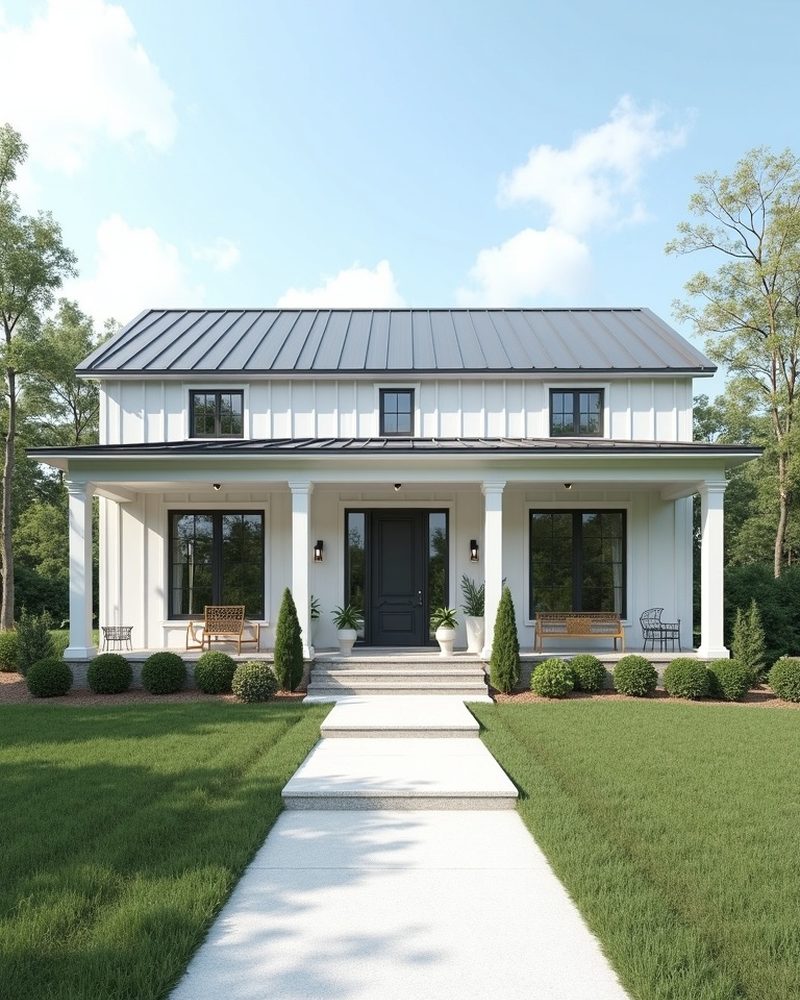
Every Fulton County home search or listing should start with local context. Whether you are looking for homes for sale in Alpharetta, a starter home in South Fulton, or an investment property near a transit corridor, understanding how micro markets inside Fulton County move will save time and money. This article gives practical, search engine friendly guidance for buyers and sellers that remains useful as the market shifts over the years.
Why local layers matter more than headlines
National headlines make great reading but they do not set prices block by block. In Fulton County you can have strong buyer demand in one neighborhood while another nearby sees longer listing times. Look beyond county level averages to school zones, recent rezoning, new commercial projects, and transit access when assessing value. These layers determine resale strength, rental demand, and who your most likely buyers will be when its time to sell.
Quick reality check for today and the near future
Inventory levels remain uneven across Fulton County. Some intown neighborhoods remain competitive with low days on market while suburban pockets offer more choice and negotiation room. Mortgage rates and lending standards will influence buyer budgets, but local factors like quality of schools, commute patterns, and planned infrastructure improvements often have a bigger influence on which homes appreciate faster. Use this reality check to set realistic timelines for buying or selling.
For buyers: practical steps to win smart
1. Define your true priorities in order. Neighborhood, school, commute, resale value, and home features all matter. Rank them to make tradeoffs easier when competition heats up.
2. Get pre-approved with a lender who knows Fulton County. Competitive offers often include proof of funds, clear contingencies, and a lender timeline aligned with the contract.
3. Study comparables by submarket. Two houses with similar square footage can be worth very different amounts depending on lot, school zone, and proximity to retail or transit. Ask for comps that match those variables.
4. Budget for inspections and local fees. Property taxes, potential HOA dues, and specialty inspections for older homes can change your monthly cost substantially.
5. Plan for a flexible closing window. Sellers may favor offers that match their timing needs as much as price. If you can be flexible, you gain leverage.
For sellers: ways to stand out without overpricing
1. Price where the buyer demand lives. Overpricing pushes your listing to the wrong searchers and results in stale days on market. A strategic price that reflects current comps will attract multiple showings and better offers.
2. Focus on high return improvements. Fresh paint, professional cleaning, decluttering, and curb appeal investments typically beat costly renovations when it comes to near-term sale price.
3. Provide documentation up front. Recent inspections, utility bills, and HOA documents reduce friction for serious buyers and can shorten the time to closing.
4. Stage for the audience. A family-oriented layout should highlight storage, schooling options, and safe outdoor spaces. Urban buyers may prioritize low-maintenance landscaping and proximity to transit and amenities.
5. Consider flexible terms. Offering a short rent back or contributing to closing costs can appeal to motivated buyers and help you secure the best net price.
How to read Fulton County micro signals
Pay attention to building permits, school boundary updates, and transportation project announcements. Rising permit activity often precedes neighborhood appreciation. At the same time, new multifamily developments can increase rental competition but also bring retail and walkability that raise long-term desirability. Check local county records and planning commission updates to spot these signals early.
Neighborhoods and what they typically offer
Fulton County contains a spectrum from dense intown neighborhoods to sprawling northern suburbs. Intown areas often offer shorter commutes and stronger rental demand. Suburban pockets can deliver larger yards, top-rated schools, and quieter streets. Match your timeline
